
What is dental implants?
A dental implant replaces a missing tooth root and supports a crown or other restoration. Suitability depends on your oral health, bone and overall clinical assessment.
Who may need this treatment?
- Adults with one or more missing teeth
- People exploring an alternative to a removable denture
- Patients who want to restore chewing function after tooth loss
Common signs or concerns
- A visible gap from a missing tooth
- Difficulty chewing on one side
- Loose or uncomfortable removable teeth
- A tooth that cannot be predictably restored
Treatment options
Single-tooth implant
Multiple-tooth replacement
Implant-supported bridge
Implant-supported denture options
How treatment works
Consultation & examination
Your concerns, mouth, gums and bite are assessed before treatment is recommended.
Imaging & planning
Appropriate imaging helps assess available bone and plan the implant position.
Implant placement
The implant is carefully positioned according to your treatment plan.
Healing
Time is allowed for the implant and surrounding tissues to heal. Timelines vary by case.
Final restoration
A planned crown, bridge or supported restoration is fitted and reviewed.
What treatment may help with
- Replaces the missing tooth without preparing adjacent teeth in suitable cases
- Designed to support comfortable function
- Can provide a stable, natural-looking restoration
- Options are available for single or multiple missing teeth
Important considerations
- Not everyone is immediately suitable for implant treatment
- Gum health, bone, smoking and general health may affect planning
- Additional procedures may sometimes be recommended
- Treatment cost depends on your clinical condition, treatment complexity, materials and treatment plan. An exact estimate can be provided after examination.
Recovery & aftercare
- Keep the implant area clean as advised
- Attend planned follow-up visits
- Avoid habits that could overload or damage the restoration
- Maintain routine dental and gum care
Real cases and professional care.
Clinical case images will appear here after patient consent and case details are confirmed.
Visit the Smile Gallery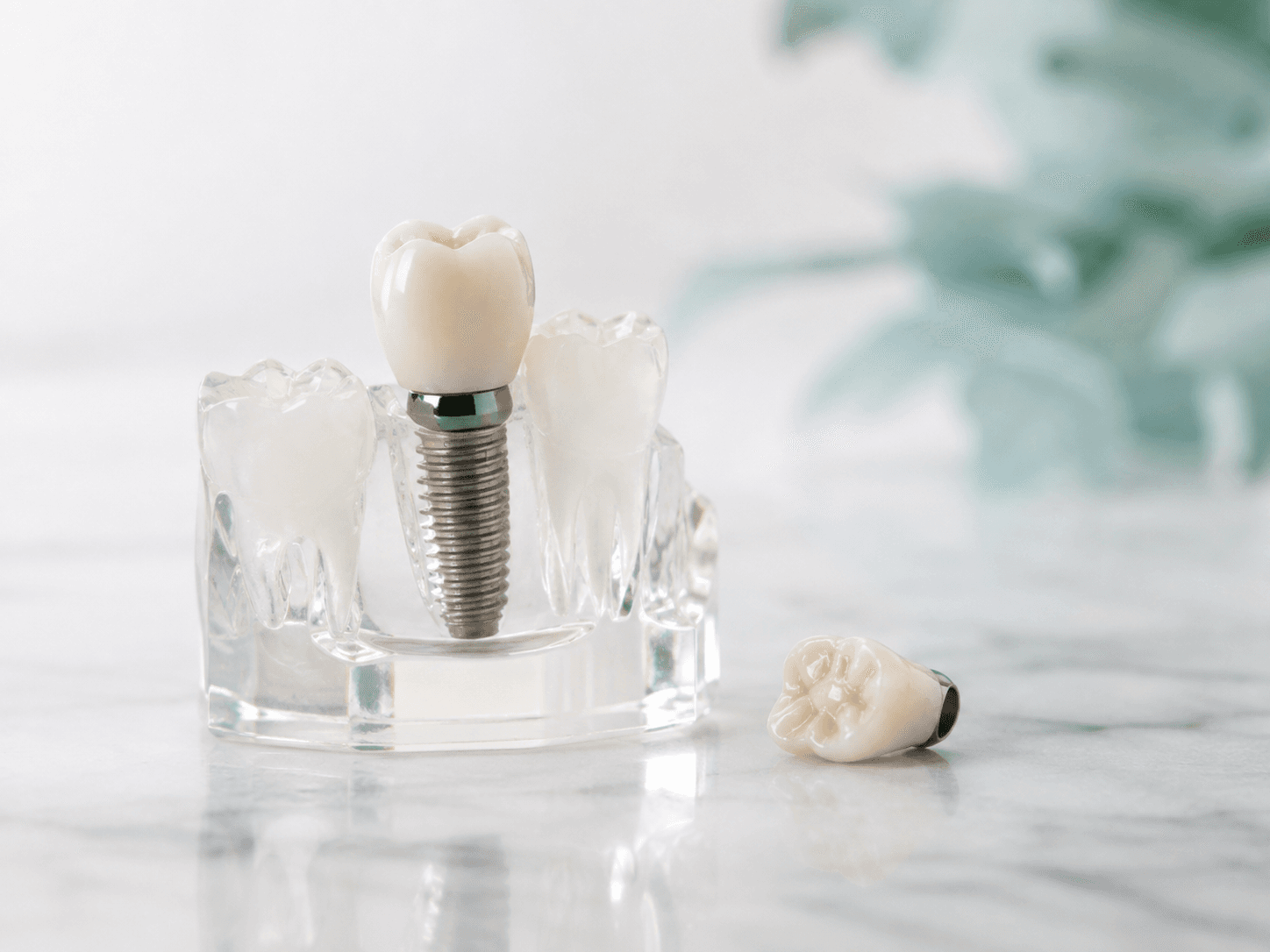 Clinical case placeholder
 Temporary doctor image
Care with Dr. Amit Rajain
Treatment recommendations for dental implants follow an individual assessment. Verified qualifications and registration details will be added here.
Meet Dr. Amit RajainFrequently asked questions
Are dental implants painful?
Implant placement is carried out with appropriate anaesthesia. Some temporary soreness or swelling can occur afterwards. Your dentist will explain comfort measures for your individual procedure.
How long does implant treatment take?
Timing varies with the number of teeth, healing, bone condition and whether any additional procedures are needed. A personalised timeline follows clinical assessment.
Can everyone get implants?
No. Suitability must be assessed individually, including oral health, available bone, medical history and expectations.
How long can dental implants last?
Implants are intended as a long-term treatment, but longevity varies. Daily cleaning, gum health, bite forces, habits and professional maintenance all matter.
Can an implant be placed after extraction?
Sometimes, but the right timing depends on infection, bone, soft tissue and the planned restoration.
What does a dental implant cost in Gurgaon?
Treatment cost depends on your clinical condition, treatment complexity, materials and treatment plan. An exact estimate can be provided after examination.