
What is clear aligners?
Clear aligners are a series of custom-made removable trays that move teeth gradually. An orthodontic assessment is needed to confirm whether aligners are appropriate for your teeth and bite.
Who may need this treatment?
- Adults and teens seeking a discreet alignment option
- People with selected spacing or crowding concerns
- Patients able to follow the prescribed daily wear routine
Common signs or concerns
- Crowded or overlapping teeth
- Gaps between teeth
- Teeth that feel out of line
- Bite concerns noticed during smiling or chewing
Treatment options
Clear aligner assessment
Digital smile and bite records
Braces where aligners are not the best option
Retention after alignment
Clear aligners and braces serve different needs.
Metal braces
Fixed brackets and wires, suitable for a broad range of planned tooth movements.
Ceramic braces
Fixed tooth-coloured brackets that are less noticeable than conventional metal braces.
Clear aligners
Removable, discreet trays for selected cases where consistent wear is practical.
The right option depends on your bite, movement required, oral health and daily routine.
How treatment works
Orthodontic consultation
Your teeth, bite, gums and treatment goals are assessed.
Digital records
Scans, photographs and any required imaging help plan tooth movement.
Aligner plan
Your proposed sequence is reviewed before treatment begins.
Progress & retention
Regular monitoring supports progress; retainers help maintain the final position.
What treatment may help with
- Nearly transparent when worn
- Removable for meals and cleaning
- Digitally planned tooth movement
- May fit well with work and social routines
Important considerations
- Aligners do not suit every orthodontic problem
- Consistent wear is essential
- Attachments or other supporting procedures may be recommended
- Treatment cost depends on your clinical condition, treatment complexity, materials and treatment plan. An exact estimate can be provided after examination.
Recovery & aftercare
- Wear aligners exactly as prescribed
- Remove trays for food and most drinks
- Clean teeth and aligners regularly
- Wear retainers after treatment as advised
Real cases and professional care.
Clinical case images will appear here after patient consent and case details are confirmed.
Visit the Smile Gallery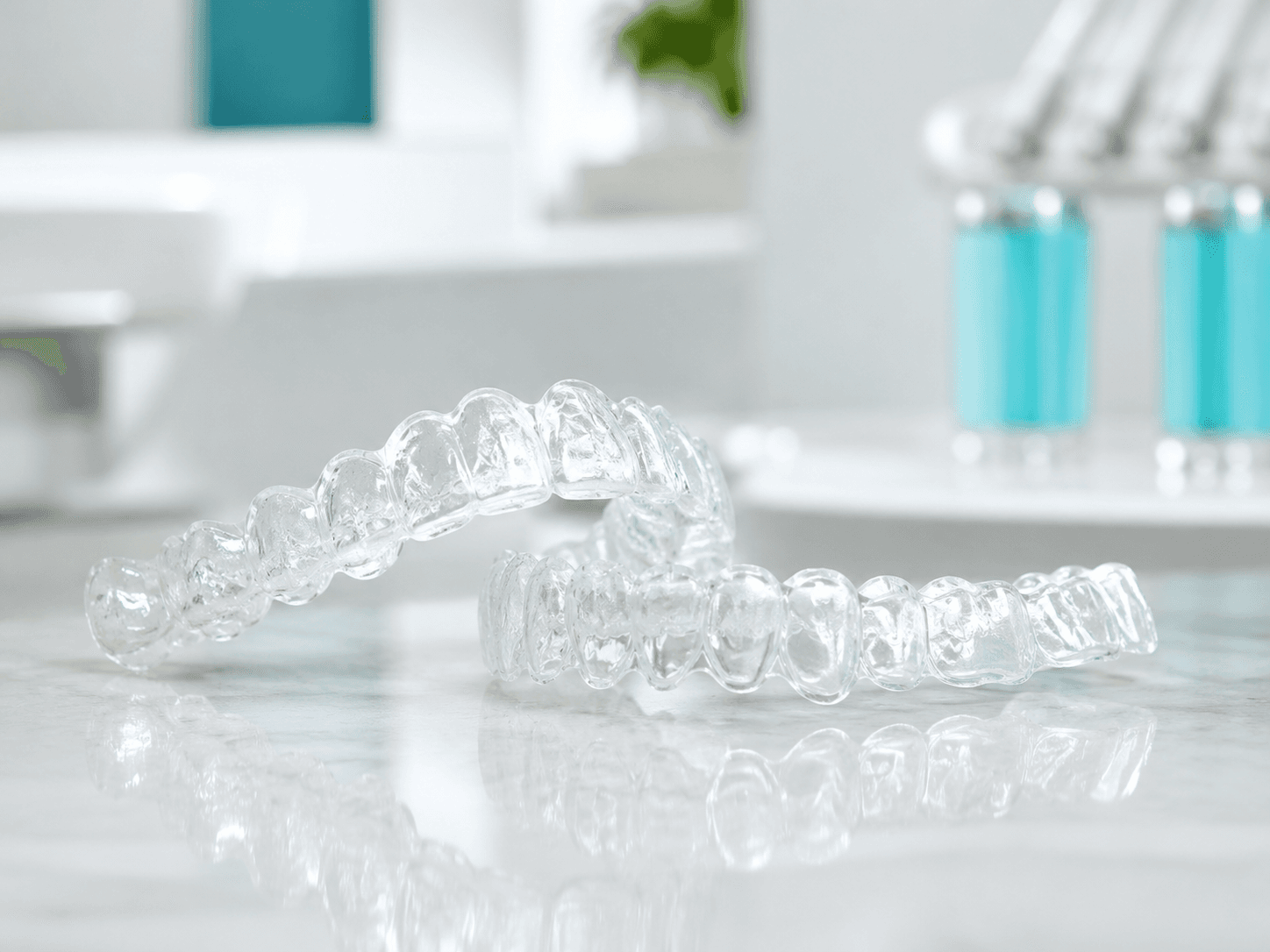 Clinical case placeholder
 Temporary doctor image
Care with Dr. Amit Rajain
Treatment recommendations for clear aligners follow an individual assessment. Verified qualifications and registration details will be added here.
Meet Dr. Amit RajainFrequently asked questions
Do clear aligners work for everyone?
No. Some tooth movements and bite problems may be treated more predictably with braces or a combined approach.
How many hours should aligners be worn?
Your dentist will provide a daily wear schedule based on the aligner system and treatment plan. Consistency is important.
How long do aligners take?
Duration depends on the complexity of tooth movement, your response and how consistently aligners are worn. Exact timing requires an assessment.
Are aligners better than braces?
They are different tools. Aligners offer discretion and removability; braces can be more suitable for some complex movements. The better option depends on your bite and priorities.
Will I need retainers?
Retention is normally an important part of maintaining teeth after orthodontic movement.